

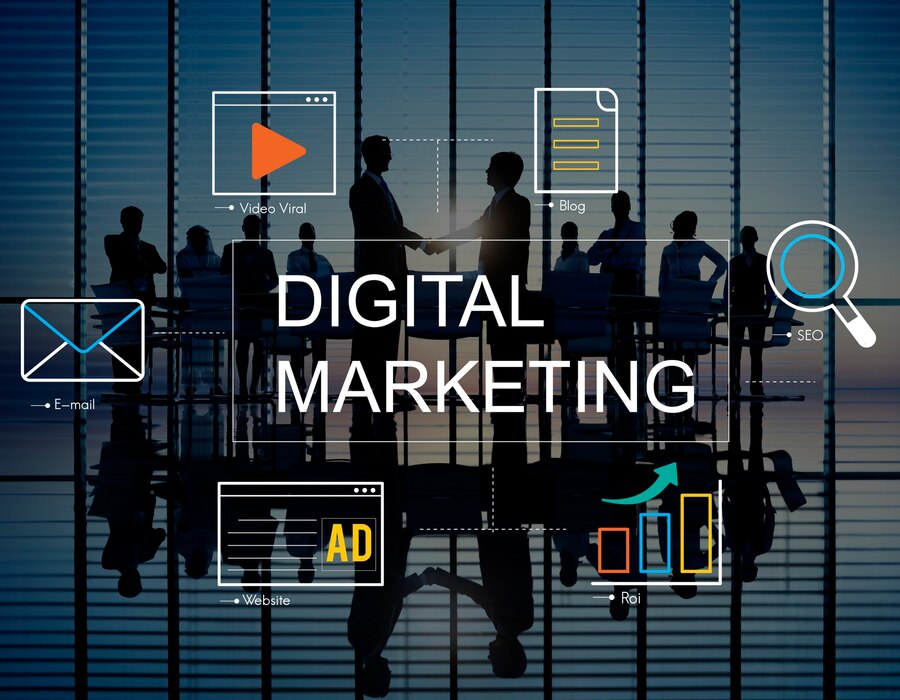
In an increasingly digital world, professional digital marketing has become the cornerstone of success for businesses and individuals alike. Whether you’re a budding entrepreneur looking to promote your startup or a seasoned marketer aiming to stay ahead in a competitive landscape, understanding the nuances of this dynamic field is crucial. This article delves into the art and science of professional digital marketing, exploring its core components, best practices, and its ever-evolving nature.
Understanding Professional Digital Marketing
Professional digital marketing encompasses a broad spectrum of activities designed to reach and engage with target audiences through digital channels. It’s about strategically leveraging the internet and electronic devices to connect with potential customers, create brand awareness, drive traffic, and ultimately, achieve marketing goals. The core components of professional digital marketing include:
- Search Engine Optimization (SEO): SEO is the process of optimizing your online content to rank higher in search engine results. A well-executed SEO strategy can significantly improve the visibility of your website, leading to increased organic traffic and better conversion rates.
- Content Marketing: Content is king in the digital realm. Quality, informative, and engaging content can attract and retain a loyal audience. Blog posts, articles, videos, and social media updates all play a part in content marketing.
- Social Media Marketing: Social media platforms provide a direct line to your target audience. Using platforms like Facebook, Twitter, and Instagram allows you to engage with your audience, build brand loyalty, and promote products or services.
- Email Marketing: Email marketing is a cost-effective way to nurture leads and convert them into customers. It involves sending targeted emails to a list of subscribers, sharing news, updates, and offers.
- Pay-Per-Click (PPC) Advertising: PPC advertising allows you to display ads on search engines and social media platforms. Advertisers pay a fee each time a user clicks on their ad, making it an effective way to drive traffic and generate leads.
- Influencer Marketing: Collaborating with influencers who have a strong online presence can be a powerful way to reach new audiences and build credibility.
- Analytics and Data Analysis: Digital marketing relies heavily on data to make informed decisions. Analytics tools provide insights into user behavior, allowing marketers to refine their strategies.
The Art of Professional Digital Marketing
The art of digital marketing lies in the creative and strategic aspects of the field. It’s about crafting compelling narratives, visually appealing content, and engaging user experiences. Here are some key artistic elements of professional digital marketing:
- Storytelling: Effective digital marketing often involves telling a compelling story about a brand, product, or service. Storytelling can create an emotional connection with the audience and make a lasting impact.
- Visual Design: High-quality visual content, from images and infographics to videos and interactive elements, can enhance the user experience and leave a memorable impression.
- Branding: Establishing a strong brand identity is essential. Your brand’s voice, logo, color scheme, and overall aesthetic should be consistent across all digital platforms.
- User Experience (UX) Design: A well-designed website and user-friendly interfaces are key components of digital marketing. A seamless user experience can boost engagement and conversion rates.
- Content Creation: Content marketing involves creating informative, entertaining, and valuable content that resonates with the target audience. This can include blog posts, articles, videos, podcasts, and more.
- Social Media Engagement: Engaging with followers on social media platforms requires a nuanced understanding of the platform’s culture, trends, and etiquette.
- A/B Testing: Fine-tuning marketing strategies often involves A/B testing different creative elements to identify what resonates best with your audience.
The Science of Professional Digital Marketing
The science of professional digital marketing revolves around data, analysis, and the constant pursuit of optimization. Here are some scientific aspects of the field:
- Data Analysis: Analyzing data from various sources, including website traffic, social media engagement, and email marketing campaigns, allows marketers to make data-driven decisions.
- Keyword Research: In SEO and PPC advertising, extensive keyword research is vital. Identifying the right keywords ensures that your content and ads are shown to the most relevant audience.
- Conversion Rate Optimization (CRO): CRO is the process of enhancing your website or landing pages to increase the percentage of visitors who take a desired action, such as making a purchase or filling out a contact form.
- Marketing Automation: Marketing automation tools enable businesses to streamline marketing tasks, such as email campaigns, and target specific audiences with personalized content.
- Competitor Analysis: Studying your competitors’ digital marketing strategies can provide insights into what works in your industry and how to gain a competitive edge.
- Data Privacy and Compliance: With the growing importance of data privacy regulations like GDPR and CCPA, understanding and adhering to these laws is crucial.
The Ever-Evolving Nature of Professional Digital Marketing
Digital marketing is a field that never stands still. It evolves alongside advancements in technology and changes in consumer behavior. Staying current is essential. Here are some of the latest trends and developments in professional digital marketing:
- Voice Search Optimization: With the rise of virtual assistants like Siri and Alexa, optimizing for voice search is becoming increasingly important.
- Artificial Intelligence (AI) and Machine Learning: AI is being used to enhance data analysis, personalize user experiences, and automate marketing tasks.
- Video Marketing: The popularity of video content continues to grow, and platforms like YouTube and TikTok offer unique opportunities for marketers.
- Chatbots and Conversational Marketing: Chatbots and AI-driven chat support are used to engage with customers in real time, answer questions, and guide them through the sales funnel.
- Sustainability and Social Responsibility: Consumers are increasingly interested in brands that demonstrate a commitment to sustainability and social responsibility. Marketing strategies are reflecting this shift.
- Augmented Reality (AR) and Virtual Reality (VR): AR and VR technologies are being used in marketing campaigns to create immersive and interactive experiences.
Professional digital marketing is both an art and a science. It requires a creative touch and a strategic mindset, coupled with a deep understanding of data and technology. As the digital landscape continues to evolve, staying updated on the latest trends and best practices is crucial for success in this ever-changing field. Whether you’re a marketer or a business owner, embracing professional digital marketing is essential for achieving your goals in the digital age.


